
Here lay an unknown man from an unknown world-
In a recent forest fire in Southern Wales, while mopping up the remnants of the damage, a firefighter discovered that one of the forest’s ancient oaks, approximately 800 years old, was charred to its hollow. It rested midway up the hill of what was a mossy boulder field before the burning. At the heart of the ancient tree, a lone standing stone rested. It had markings in what was found to be Gàidhlig, a form of Gaelic known to be written and spoken far north of this region. The inscription read,
“An seo tha an duine neo-aithnichte bho shaoghal neo-aithnichte laighe, le làichre[…illegible] a Bhan-iarla Ghaoil” or,
“Here lay the unknown man from an unknown world, with the [heart or hand?] of his Lady Love”.
The stone appeared to be engulfed by the heart of the tree over the ages of time.
The stone was also of the same composition as the standing stones nearby, which were among those known to have been harvested for the world-renowned Stonehenge. Still, the inscription was inconsistent with both the suspected origin date of that wonder and the practices of the local ancient stone burial sites during that time. Even more perplexing to the archaeologists who came later was that the excavated remains below the ancient tree were found to be from the early 1980s A.D.
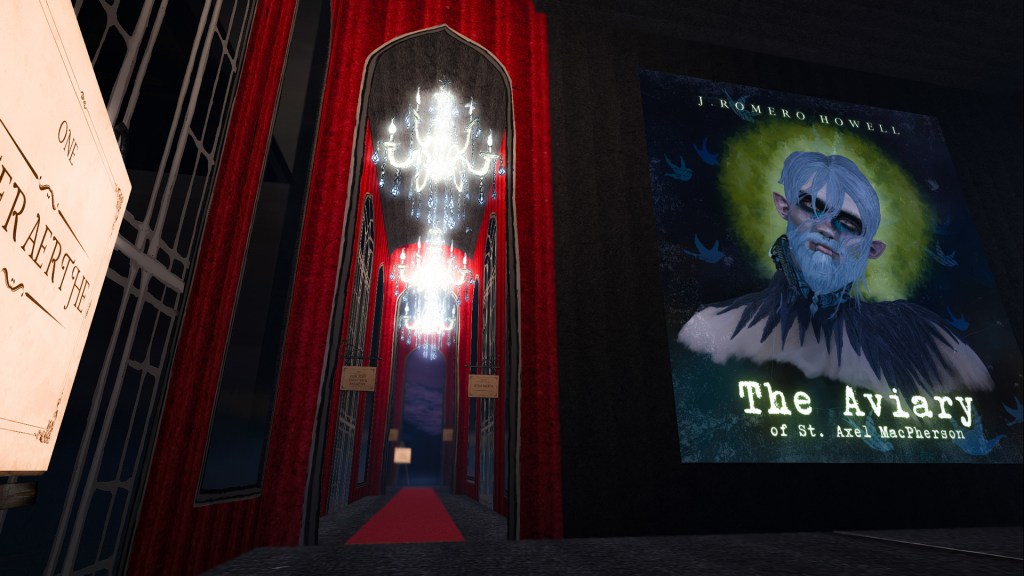
To complicate matters further, the jewelry box found in the grasp of the body laid to rest held three books, titled “Shanties of Brigantia”, “Beast Angels” and “The Aviary of St. Axel MacPherson” respectively, and a wedding ring; all of which were deemed authentic artifacts of possessions commonly held by aristocrats in the Victorian Era. Carbon dating reinforces that both the box and the books (the date of the ring is inconclusive) are from the mid to late 19th century.
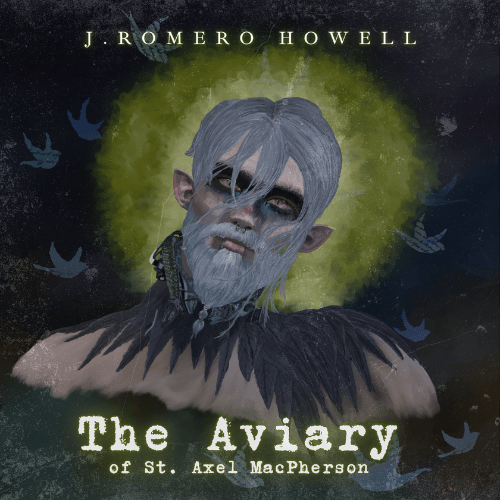
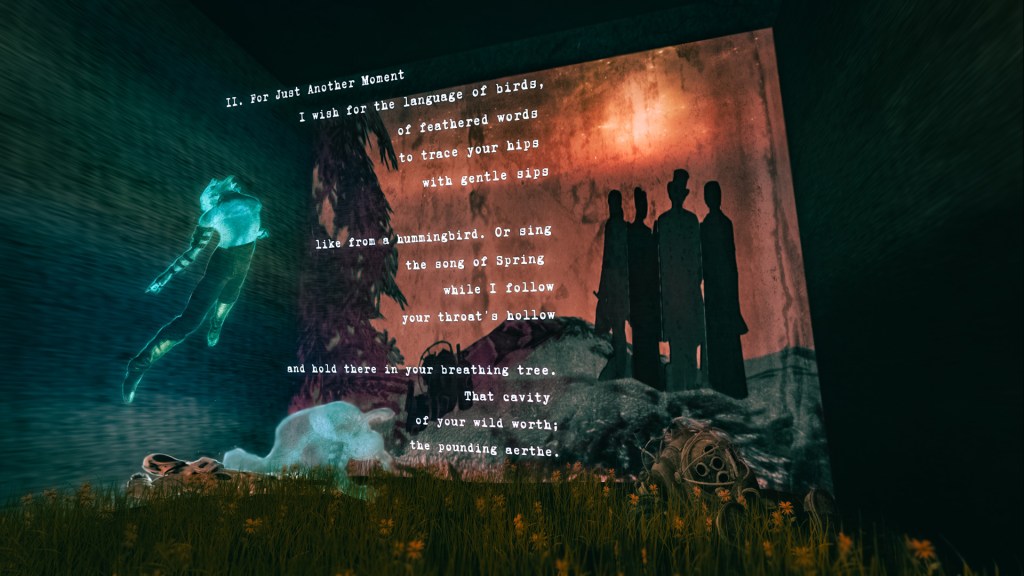
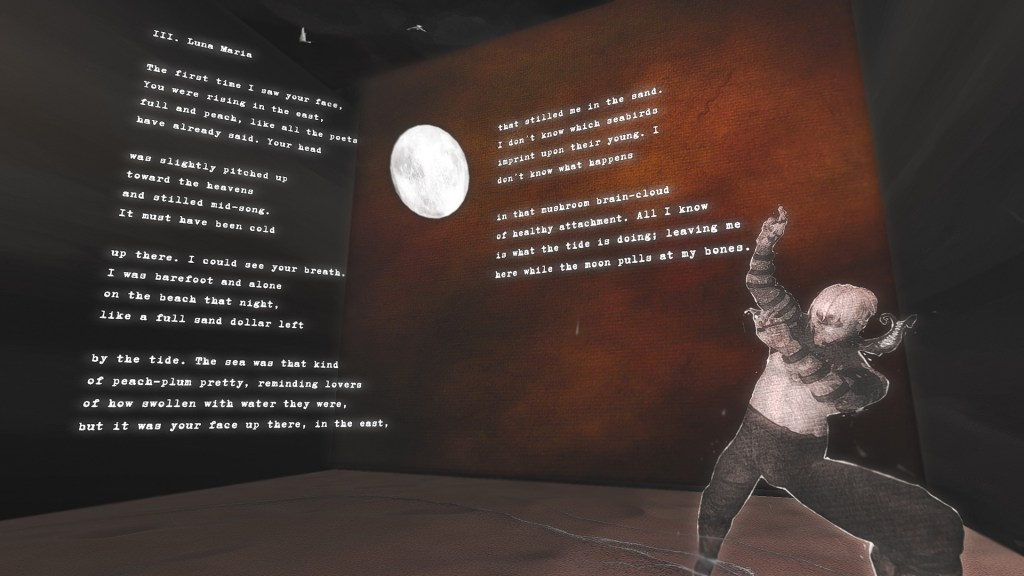
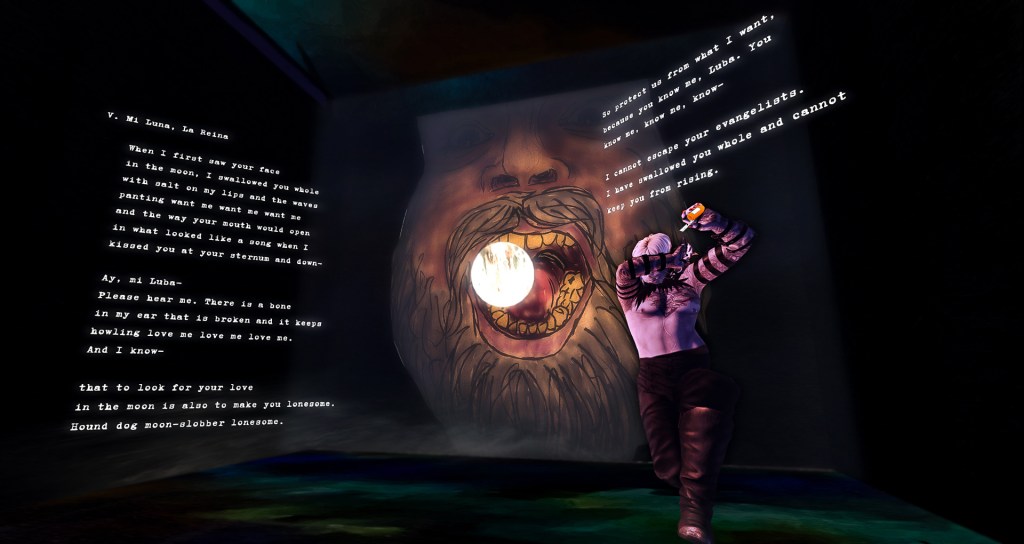
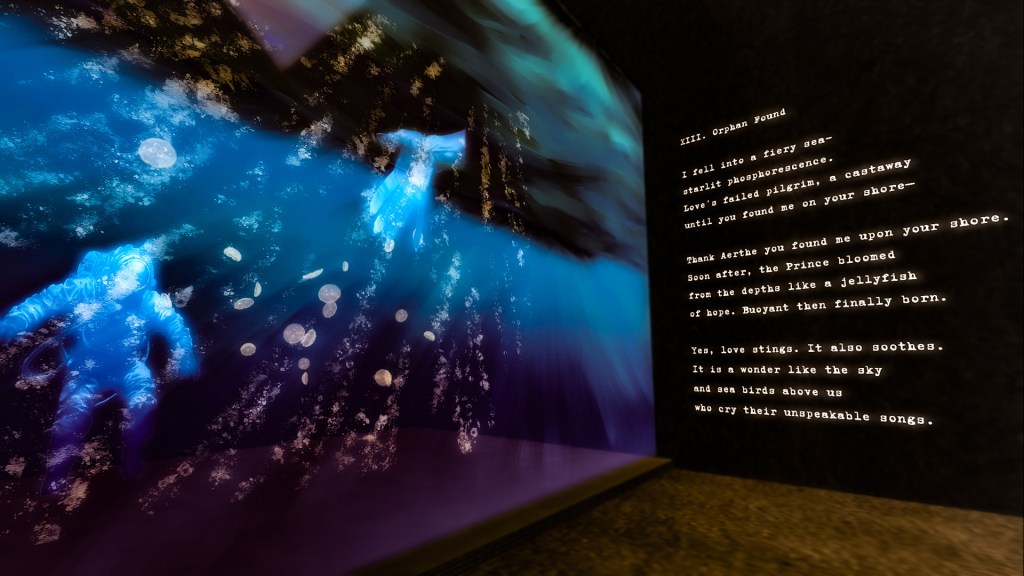
The first two books mentioned are written in some form of code, with the cypher not included. The contents of “The Aviary…”, however, are written in the Queen’s English, and are love poems to either a real or imagined Queen Luba de la Luna Maria, likely some sort of faery story. Claiming to be a visitor from space to the World of ‘Aerthe’, MacPherson recounts the conflagration of his cosmic arrival, and his equally combustible courting, parting, and reunification with his lover, the queen.
Is the long love affair accounted for in these poems the territory of reality, or is it cloistered in the weaving corridors of a tortured lover’s mind? I leave it for the reader to decide.
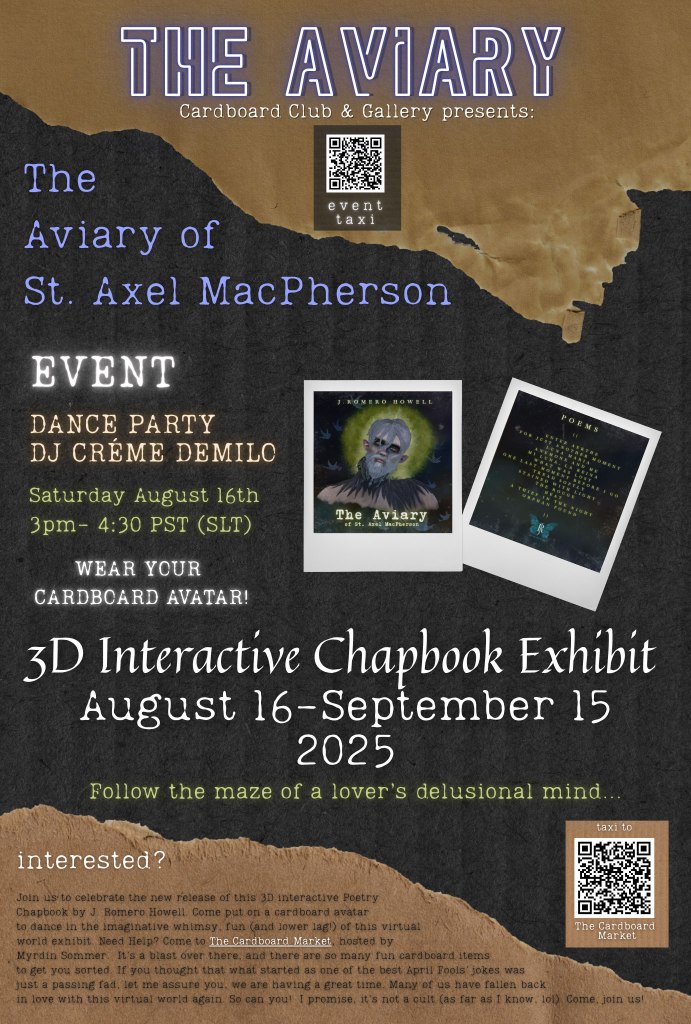
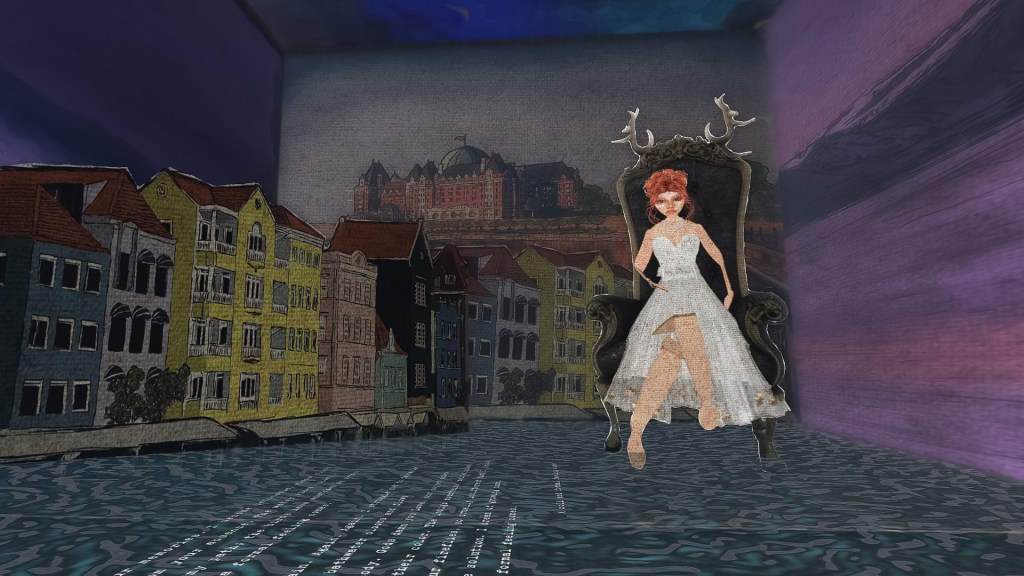
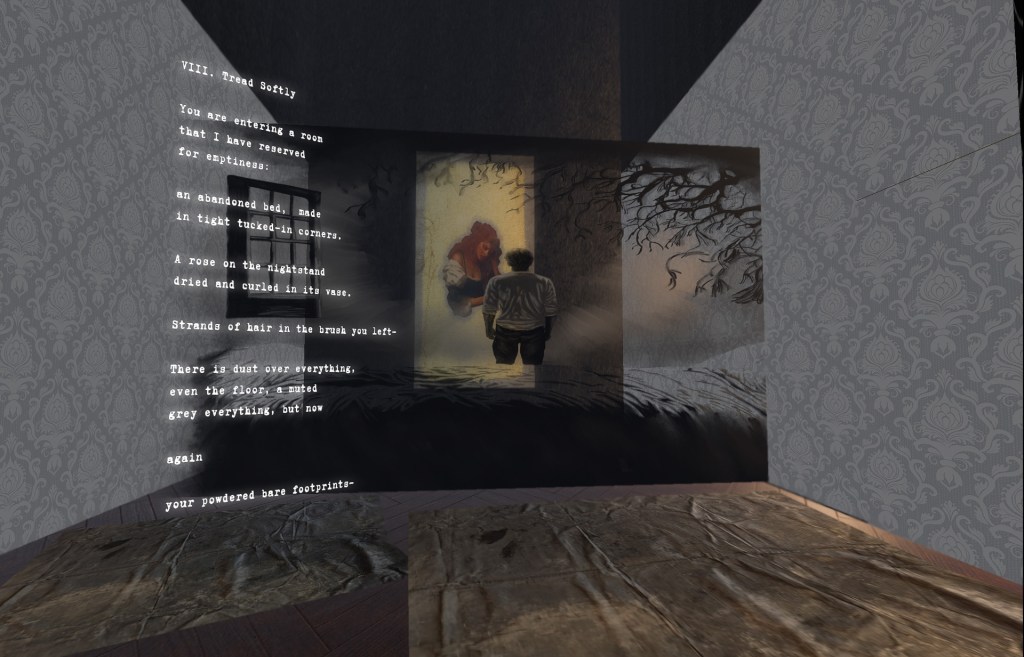
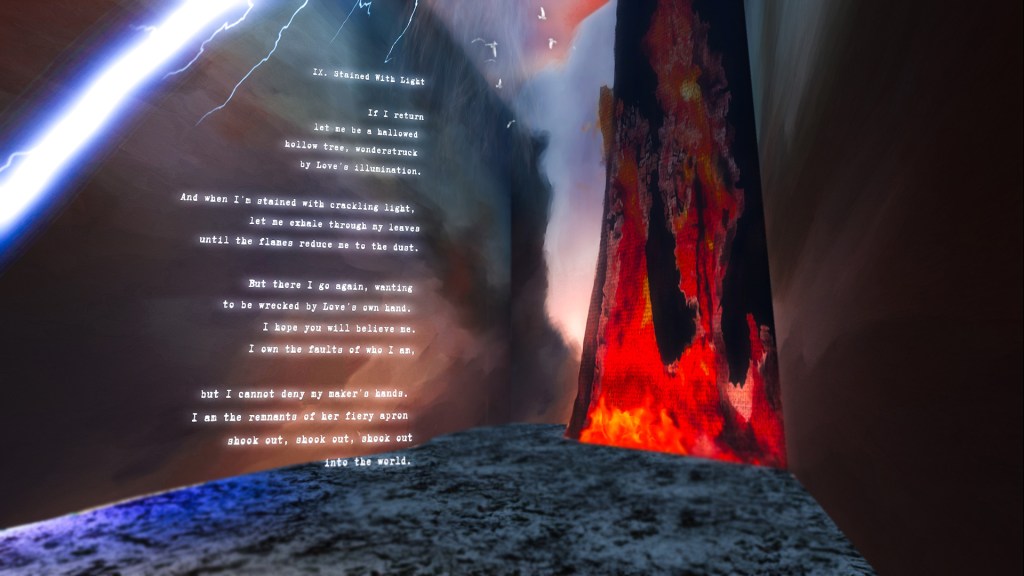
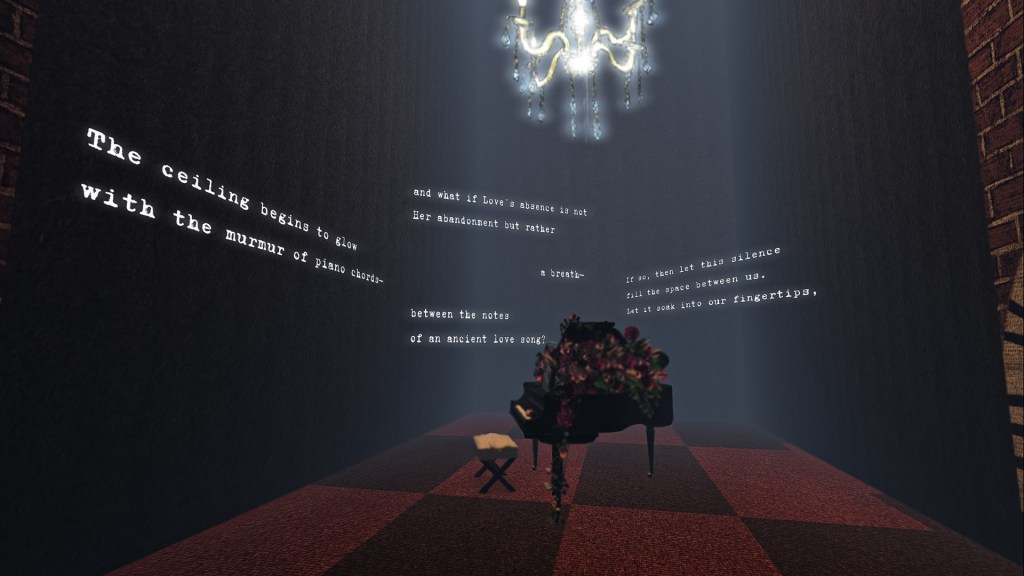
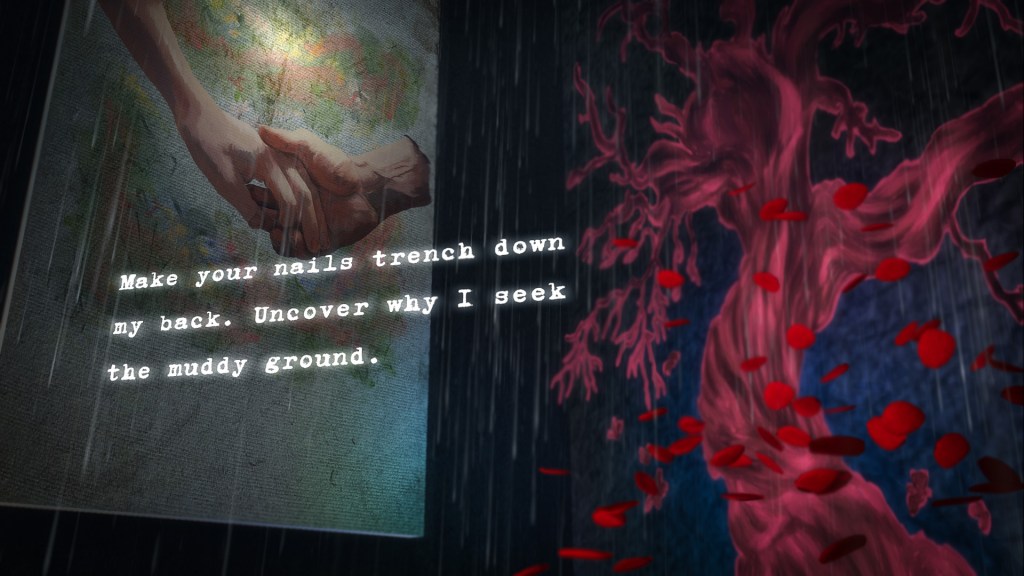
This exhibit is a tribute to those poems, the mysteries of their finding, and to the ghosts of what may be an ancient and eternal love.
Respectfully,

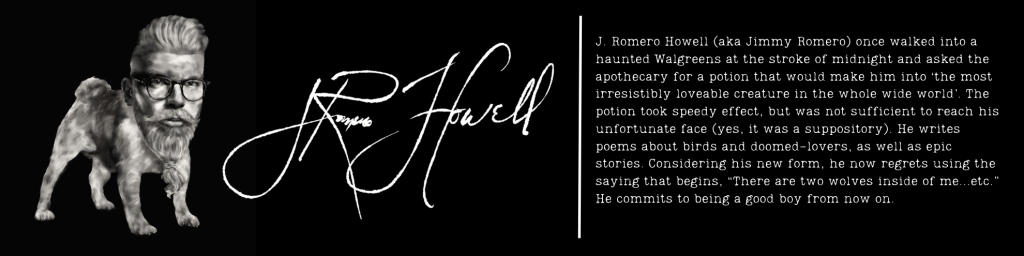
J. Romero Howell
Curator




 The Aviary of St. Axel MacPherson